Understanding the Importance of Cell Cryopreservation
Imagine a lab bustling with activity—a scientist carefully preparing samples for future experiments, possibly years down the line. It’s astounding to think that approximately 90% of cell-based research relies on effective preservation methods. A key player in this process is the cell cryopreservation solution. Yet, amidst advancements, many still grapple with outdated freezing media that can compromise cell viability. What if we could harness innovations that not only improve this process but redefine how we think about cellular preservation?
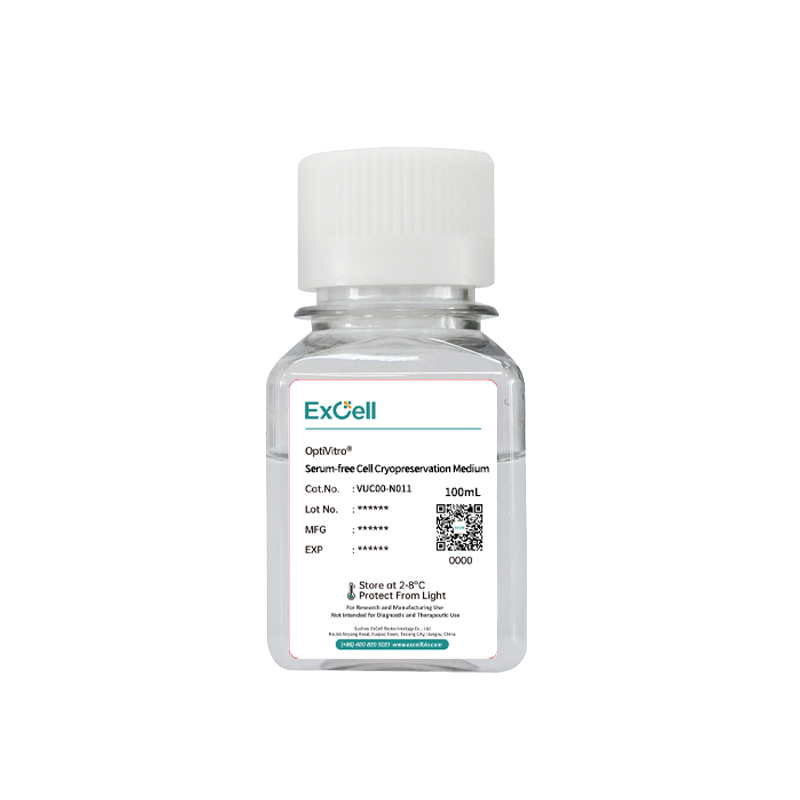
The Flaws of Traditional Solutions
I vividly recall an incident in my early career where I dealt with standard freezing media. On several occasions, I experienced lab samples that lost viability—an outcome no one wants. Traditional solutions often lack critical components needed for optimal cryopreservation. Factors like high concentrations of dimethyl sulfoxide (DMSO) can lead to cellular toxicity. This has been a hidden pain point for researchers like myself, directly affecting experiments and even funding opportunities.
Why Aren’t We Adopting Better Solutions?
Not to mention, researchers often hesitate to shift to newer formulations due to concerns about cost or perceived complexity. However, as someone who has seen both traditional and modern solutions in action, I firmly believe the benefits far outweigh initial investments. So, what’s stopping the scientific community from embracing these advancements?
Looking Ahead: Innovations in Freezing Media
The future of cell freezing media is bright and buzzing with progress. With the evolution in materials science, new compounds are emerging that offer lower toxicity and higher cell recovery rates—an evolution that’s truly inspiring. Those in the field can look forward to solutions that utilize unique cryoprotectants designed to minimize osmotic damage. As we transition to embracing these innovations, the cell cryopreservation solution landscape is bound to transform dramatically.
Real-World Impact: Beyond the Lab
By integrating these advanced formulations, we prepare ourselves to leap into a new era of biomedical research. Imagine reduced cell loss, more accurate experiments, and improved outcomes. I often think about how we might tackle real-world challenges such as regenerative medicine or drug development with much greater success. Could this be the turning point we’ve all been waiting for?
Summarizing Insights and Moving Forward
In wrapping up, I’ve witnessed firsthand the shortcomings in current cell freezing media. Let’s not limit ourselves to outdated practices when innovation is at our fingertips. The progression toward better cell cryopreservation solutions signifies a crucial moment in scientific history. As we’ve explored, embracing new technology allows for broader implications for research and treatment outcomes. Whether you’re a seasoned professional or new to the field, understanding these shifts is vital.
So, while you’re browsing through options, consider the prospects of utilizing modern freezing media to elevate your research. If you want to take the best route forward, look to brands like ExCellBio that are leading this evolution.