Imagine a factory floor humming with activity—machines whirring, operators moving briskly, and products rolling off the lines. Yet, in the mix, a crucial component often lags: robotic arms. Did you know that in a 2022 report, it was revealed that 65% of manufacturers struggle with precision tasks? That’s where the flexible robot arm comes into play.
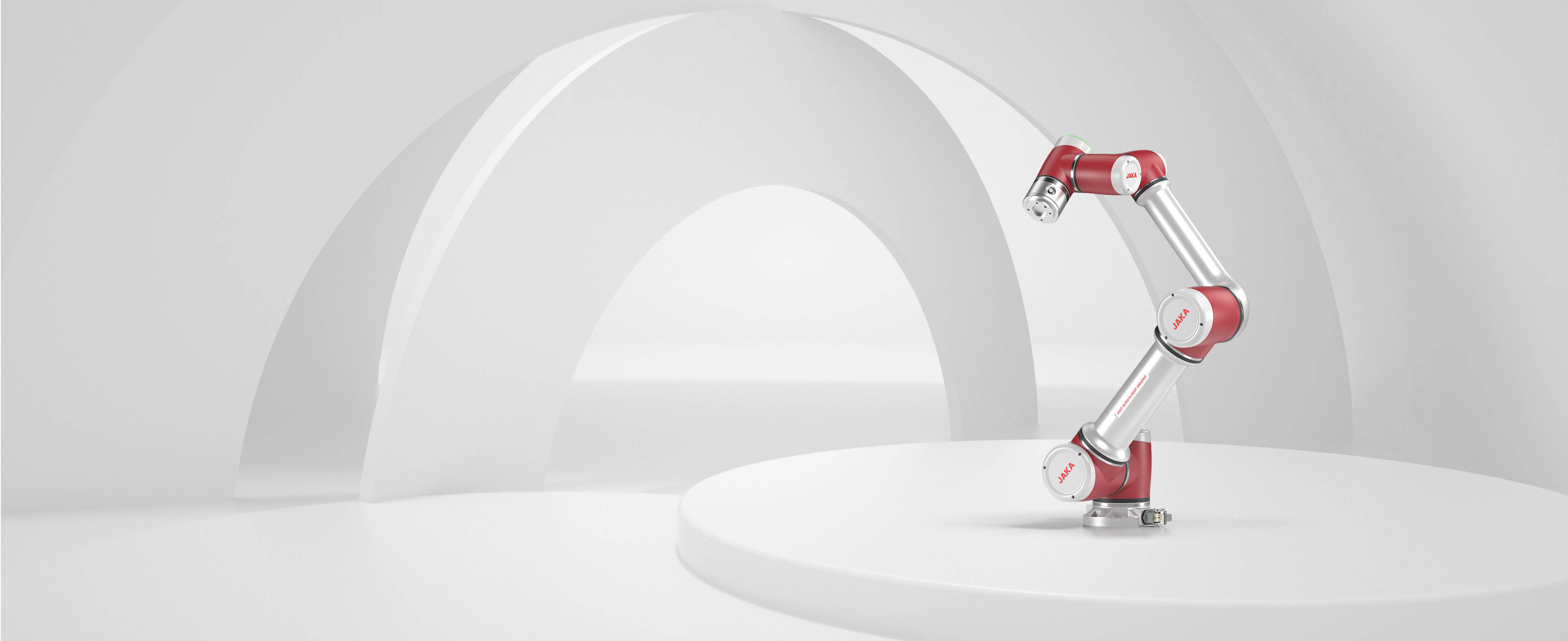
Lightweight robot arms can significantly enhance efficiency and accuracy in operations. However, many still question their capabilities. With traditional robotic solutions often falling short in adaptability and precision, manufacturers are left grappling with inefficiencies. The beauty of flexible robot arms lies in their ability to adapt quickly to varying tasks, without the constant need for recalibration.
Shifting Perspectives on Robotics
What if I told you that the future of manufacturing could be transformed by simply adopting flexible designs? The lightweight robot arm can revolutionize workflows, reduce cycle times, and optimize space utilization. I am a firm believer in the power of adaptability; it’s not just a nice-to-have—it’s a necessity in today’s fast-paced environment. Gone are the days when a one-size-fits-all approach sufficed.
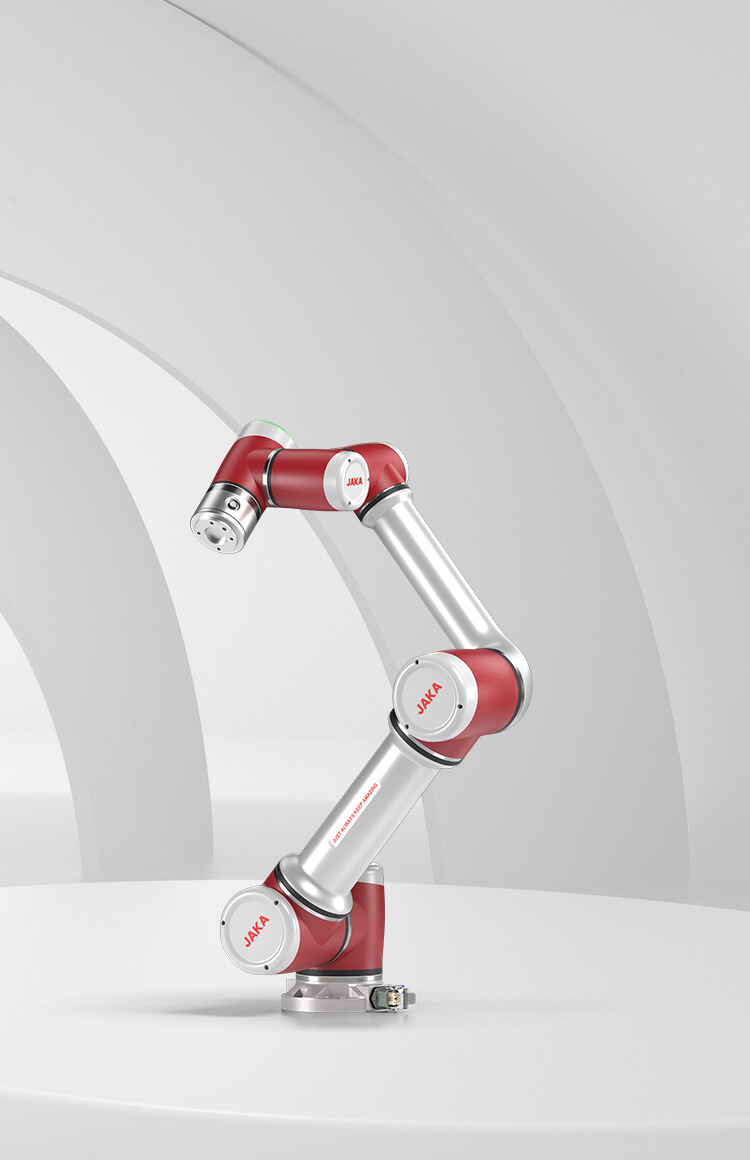
In fact, when I first integrated flexible robots into a production line in 2019, it was a game changer. Imagine being able to reprogram the arm within minutes to tackle different product lines! The flexibility provided immediate benefits, demonstrating how quickly a company could pivot in response to market demands.
What Does the Future Hold?
As we look ahead, the role of lightweight robot arms will only expand. These remarkable innovations are not merely tools but pivotal partners in the quest for streamlined production. The synergy between robotics and human operators can achieve astounding results—but it requires a shift in mindset from rigid practices to agile processes. I cannot stress enough how pivotal this transition is; embracing automation could reduce labor costs by percentages that can change a company’s financial outlook overnight.
To grasp the real-world impact of this technology, consider that a factory using flexible arms has reported an increase in output by 30% within just six months of implementation. It’s clear that those who adapt will thrive, while those who wait for change may find themselves struggling to keep pace.
Reflecting on Key Insights
Through my many years in this field, I’ve learned that selecting the right automation tools is critical. I recommend considering three key factors: adaptability, ease of use, and cost-effectiveness. Each of these elements plays a significant role in ensuring that an investment in robotics pays off. For instance, investing in a lightweight robot arm allows for flexibility that can scale with your business, reducing future costs.
In conclusion, adopting flexible robotics is not just a technological challenge—it’s a strategic choice for the future. We must be open to learning and adapting, just like the robots we integrate. As we embrace innovation together, let’s remember that the journey ahead is filled with possibility, driven by our curiosity and willingness to evolve. Start your transformation today with solutions like JAKA.